Author name: Sujanand

digital-invoices-for-boutiques-in-2025
Technology & Digital Tools

Digital Invoices for Boutiques in 2025: The Smartest Upgrade for Your Brand

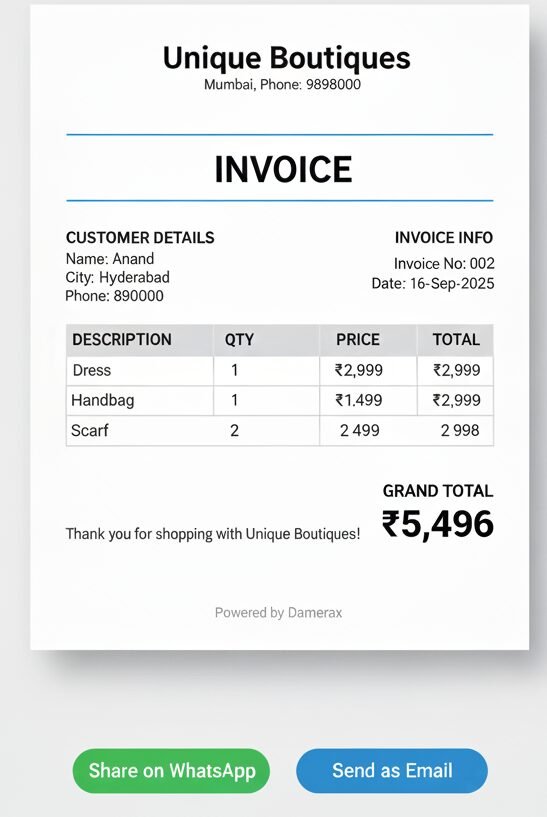
In today’s boutique world, luxury is not just about the clothes on display — it’s also about how seamless, professional, and trustworthy the shopping experience feels from start to finish. Customers judge every interaction, from browsing your website to receiving their order. That’s why digital invoices for boutiques in 2025 have become one of the most essential tools for boutique owners who want to elevate their business. Why Invoices Matter More Than You Think An invoice is more than just a payment slip — it’s a branded touchpoint. Every time a customer receives an invoice, they’re reminded of your boutique’s identity and professionalism. For boutiques positioning themselves as luxury brands, this detail matters just as much as packaging or customer service. Here’s the truth: handwritten invoices or generic PDF templates no longer match the expectations of modern buyers. In 2025, clients want digital, shareable, beautifully styled invoices that reflect the brand’s personality. The Power of Digital Invoices So, why should boutique owners shift to digital invoices for boutiques in 2025? Because they deliver speed, style, and convenience that templates or old-school receipts simply cannot. Let’s break it down: Styled with Your Brand Name Your invoice should look like it belongs to your boutique. Digital invoices can be styled with your logo, colors, and typography, reinforcing brand consistency at every step. Customers instantly recognize your brand, even in the fine details. Instant Sharing on WhatsApp Customers don’t want to wait for paperwork. With digital invoices, you can generate and share them instantly on WhatsApp — the same platform most clients already use for communication. This real-time interaction strengthens trust and improves client satisfaction. One-Click Email Delivery A professional invoice sent directly to a customer’s inbox not only builds trust but also makes record-keeping simple for both you and your clients. No lost papers, no miscommunications — just a smooth, modern experience. Printable for Shipments Need a physical copy for your shipments? No problem. Digital invoices can be printed in high resolution and included with the package, ensuring every order feels polished and complete. This ensures your boutique experience stays premium, even offline. Eco-Friendly & Organized Going digital means less paper waste and fewer manual errors. Every invoice is stored securely, easy to retrieve, and ready whenever you need it. Organized records make accounting seamless and stress-free for boutique owners. The Boutiques Only Advantage At Boutiques Only — Powered by Damerax, we understand that boutique owners need more than basic tools. That’s why we’ve introduced a free invoice subscription for a limited number of clients on our Standard Package. This subscription gives you: 👉 Claim your spot before the offer closes: theboutique.damerax.com Why This Matters in 2025 Digital-first buyers expect speed, transparency, and trust. If your boutique still relies on handwritten slips or generic formats, it risks looking outdated. Invoices may feel like a small detail, but they are part of the boutique experience — just like your website design, packaging, or store ambiance. By offering invoices that look elegant, carry your brand identity, and are instantly shareable, you position your boutique as modern, reliable, and premium. How Digital Invoices Drive Sales Boutiques thrive when customers trust them. Digital invoices not only save time but enhance the perceived value of your boutique. Features like high-resolution images, personalized notes, and story-driven invoice formats make customers feel cared for, increasing repeat purchases and brand loyalty. Cost vs Value Yes, digital invoices may involve minimal subscription costs for advanced tools. But think about ROI: a boutique that improves customer experience through professional invoicing often sees higher sales conversion, fewer disputes, and stronger brand recognition. The investment pays off faster than any traditional method. Final Word In 2025, the difference between a boutique that feels ordinary and one that feels unforgettable often lies in the details. Digital invoices for boutiques in 2025 are more than paperwork — they’re a statement of professionalism, style, and care for the customer journey. With Boutiques Only, you don’t just get invoices. You get branded digital tools that strengthen your boutique’s story and credibility. And for the first few clients, this upgrade comes free with our Standard Package. So why wait? Transform the way your boutique does business today.👉 theboutique.damerax.com Boutiques Only — Powered by Damerax
Custom Websites for Boutiques in 2025 by Damerax
Technology & Digital Tools

Custom Websites for Boutiques in 2025 | Elevate Your Brand Online

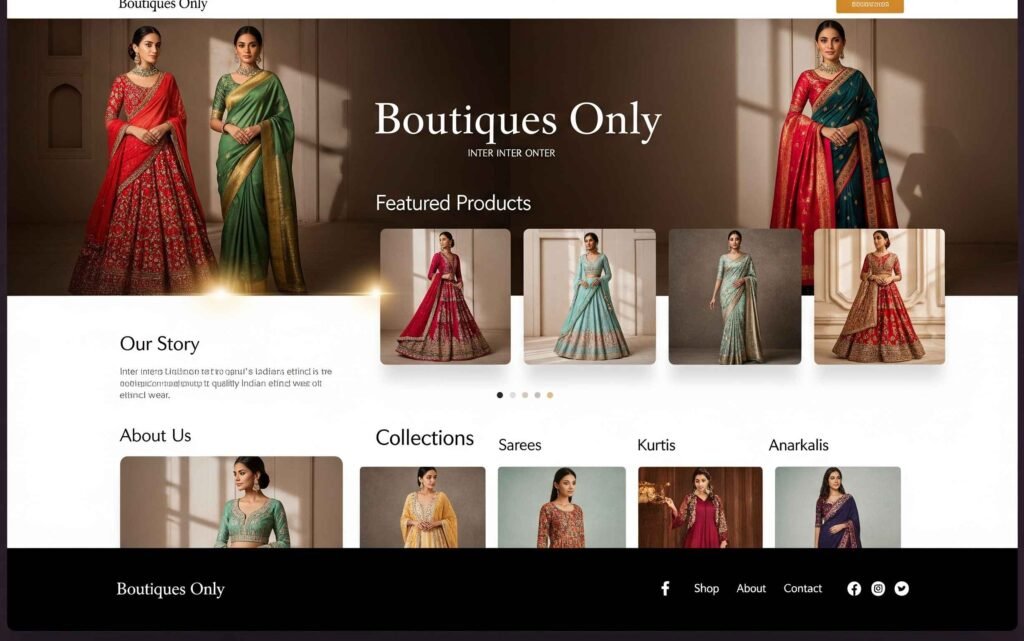
Running a boutique in today’s fashion market is about more than great collections. In 2025, your boutique’s online presence defines how customers perceive your brand, how long they stay engaged, and whether they make a purchase. That’s why custom websites for boutiques in 2025 are becoming the preferred choice over templates — they don’t just display products, they tell your boutique’s story. The Problem with Templates Website templates are designed for mass use. They look decent, launch quickly, and often cost less upfront. But here’s the reality: templates create a sameness that customers immediately notice. When multiple boutiques use the same pre-designed theme, your brand loses its uniqueness. Even worse, templates come with restrictions. Customizing beyond the developer’s limits is difficult. That means your boutique’s story — fabrics, heritage, and style — gets confined within a frame that wasn’t made for it. For luxury boutiques, that’s a dealbreaker. Brands that position themselves as exclusive cannot afford to look like hundreds of other online stores. Check out how we transform standard designs into exclusive boutique experiences for reference. Why Custom Websites Win in 2025 A custom website for boutiques in 2025 does the opposite of a template. Instead of squeezing your brand into a pre-built frame, it builds the frame around your brand. Every layout, section, and animation reflects your boutique’s identity. True Brand Identity Custom websites let your visuals, typography, and navigation tell your story. Customers don’t just see products — they experience your boutique. Our clients using Boutiques Only custom designs consistently report higher engagement and longer time-on-site. Better Performance Templates often carry unnecessary code, slowing down your site. A custom build is clean, fast, and SEO-optimized. Faster load times keep visitors engaged and reduce bounce rates, giving your boutique an edge over competitors. Scalability As your boutique grows, so do your needs. Custom websites adapt easily to new features like loyalty programs, international shipping, or AR try-on options. Templates struggle to scale without becoming clunky. Our WooCommerce and Shopify custom integrations allow seamless growth for scaling boutiques. SEO Advantages Search engines reward originality, speed, and structured code. Custom-coded boutiques often outrank competitors using templates. With proper internal linking, structured content, and optimized visuals, your boutique gets found faster by the right audience. Exclusivity & Experience Luxury boutiques aren’t just selling products — they’re selling experiences. Custom builds make shopping feel seamless, premium, and emotionally engaging. Templates cannot replicate this; they are generic by design. How Custom Websites Drive Sales Trust drives boutique sales. A professional, custom website gives buyers confidence that your brand is worth investing in. High-resolution imagery, smooth navigation, and personalized features like curated lookbooks or story-driven product pages convert browsers into loyal buyers. For example, adding an internal link to our merchandising insights within the website enhances storytelling and keeps visitors engaged longer, boosting average order value. In 2025, when consumers expect luxury online experiences, generic templates risk losing revenue. Custom websites ensure your boutique stands out and delivers consistent conversions. Cost vs Value Yes, custom websites require a higher upfront investment. But ROI tells the real story. A boutique investing ₹1,50,000 in a custom-coded site may gain just 50 loyal customers, covering costs immediately. Templates save money initially but limit growth and often require expensive migrations later. Simply put: templates are an expense; custom websites for boutiques in 2025 are an investment. Final Word The fashion industry has entered a new era. Customers expect personalization, exclusivity, and digital luxury that matches the boutique experience. For boutique owners, the message is clear: don’t settle for templates. Demand a custom digital masterpiece that reflects your brand’s uniqueness. At Boutiques Only — Powered by Damerax, our philosophy is simple: “We don’t build websites. We build exclusive boutique experiences.” In 2025, exclusivity is your strongest asset. Let your website embody it.

Best E-Commerce Platforms for Boutique
Technology & Digital Tools

Best E-Commerce Platforms for Boutique Owners in 2025

Running a boutique in 2025 isn’t just about stunning collections or perfect branding — it’s about choosing the right digital backbone. With online sales growing at record speed, boutique success depends heavily on selecting the best e-commerce platforms for boutique owners in 2025. Your platform choice shapes everything: design flexibility, customer experience, marketing tools, and long-term scalability. A weak choice limits your growth, while the right one positions your boutique for international recognition. Let’s explore the top contenders and the factors that make them truly boutique-worthy. 1. Shopify → Go-To for Ease & Speed When boutique founders ask for simplicity and reliability, Shopify remains a strong favorite. Its drag-and-drop builder, app marketplace, and lightning-fast checkout make it beginner-friendly.Strengths: Quick setup, 6,000+ apps, secure hosting, mobile-optimized.Weaknesses: Templates can feel generic, monthly costs + app fees stack up. Shopify is perfect if you want to launch fast. But boutiques aiming for exclusivity often find its template-first approach limiting. That’s why, while Shopify is among the best e-commerce platforms for boutique owners in 2025, luxury boutiques often move beyond it later. 2. WooCommerce → Flexibility Meets Ownership WooCommerce, built on WordPress, is the choice for boutiques that value creative freedom and brand control. Unlike closed systems, it lets you build a site that’s fully unique, no compromises.Strengths: Complete ownership of store + data, endless customization, cost-effective.Weaknesses: Hosting required, better technical setup. Boutiques planning global expansion favor WooCommerce because of its flexibility with plugins, currencies, and languages. It’s especially powerful when paired with custom-coded boutique designs that elevate shopping into an experience. 3. BigCommerce → Built for Growth For boutiques with ambitious scaling plans, BigCommerce is a powerhouse. Its enterprise-level features support rapid growth while keeping operations smooth.Strengths: Multi-channel sales (Amazon, eBay, Instagram Shop), built-in SEO tools, advanced analytics.Weaknesses: Steeper learning curve, fewer design templates. If you see your boutique as more than a brand — as a business set to dominate — BigCommerce is one of the best e-commerce platforms for boutique owners in 2025. 4. Squarespace → The Designer’s Choice Squarespace continues to attract boutiques that prioritize aesthetics. Its visual-first approach makes it ideal for fashion brands that want their collections to look magazine-worthy online.Strengths: Sleek templates, easy drag-and-drop editor, built-in marketing tools.Weaknesses: Limited flexibility, fewer integrations. It’s best suited for boutiques focused on storytelling and brand imagery rather than heavy technical scaling. Think of it as the visual runway of e-commerce platforms. 5. Custom-Coded Platforms → True Exclusivity For luxury boutiques, nothing beats exclusivity. A custom-coded e-commerce platform ensures your store is one-of-one — no templates, no limitations, only your brand’s vision.Strengths: 100% unique design, full control, scalable for the future.Weaknesses: Higher upfront investment, developer support required. This is the Boutiques Only philosophy in action: we don’t build websites, we build exclusive boutique experiences. Key Factors When Choosing Your Platform Before you choose, ask: Remember, the best e-commerce platforms for boutique owners in 2025 are not just about launching fast. They’re about long-term vision, customer experience, and exclusivity. Final Word Boutiques thrive when technology works with creativity. Whether you launch quickly on Shopify, scale internationally with WooCommerce, expand through BigCommerce, shine with Squarespace, or invest in a custom-coded masterpiece — the platform must align with your boutique’s DNA. At Boutiques Only — Powered by Damerax, we help boutiques break free from templates, building digital stores that feel like luxury runways online. In 2025, the true edge is exclusivity. Choose a platform that supports your story — and your growth.

Boutique-layout-Boutiques only by Damerax Store Layout Secrets for Maximum Traffic
Design, Merchandising & Visuals, Uncategorized

Store Layout Secrets for Maximum Traffic

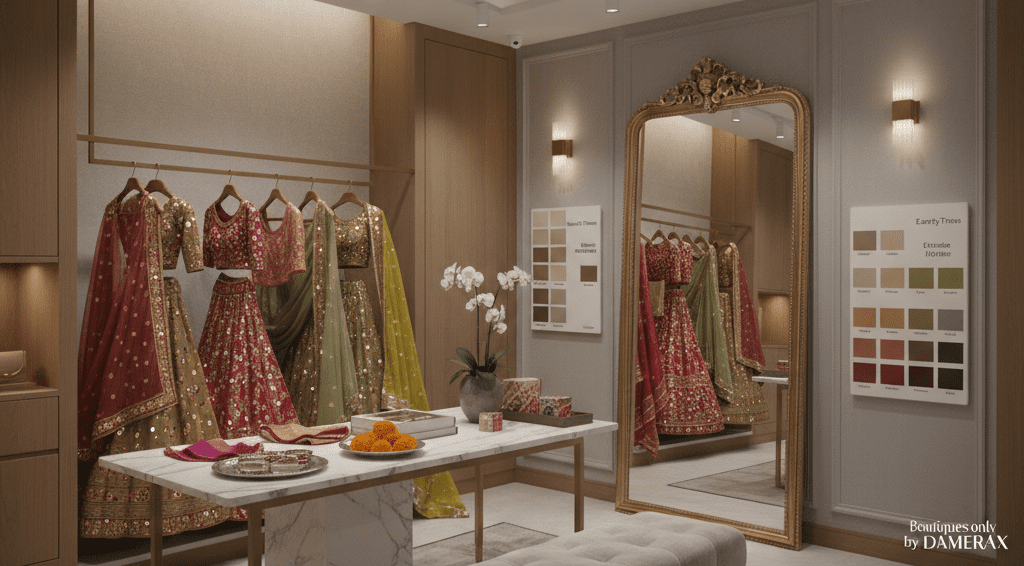
When it comes to running a successful boutique, your design choices don’t stop at fabrics or color palettes. The way you design your store layout directly influences how customers move, what they notice, and ultimately how much they buy. These store layout secrets for maximum traffic are not just about aesthetics — they’re proven strategies to drive engagement, extend browsing time, and boost sales. Let’s dive into the strategies every boutique owner should master. 1. First Impressions: The Power of the Decompression Zone Every boutique has a “decompression zone” — the first few feet inside your entrance. This is where customers adjust to lighting, music, and ambiance. Keep this zone clean and inviting, free from clutter. A single signature display or an iconic piece works best here, instantly setting the mood. This simple shift can increase browsing time, one of the most overlooked store layout secrets for maximum traffic. 👉 Learn More About Visual Merchandising Basics 2. Right Is Always Right Research shows that most shoppers instinctively turn right after entering a store. Use this behavioral insight to your advantage. Place your hero products — statement collections, new arrivals, or luxury edits — on the right-hand side to capture immediate attention. Your boutique’s journey begins here, so make it unforgettable. 3. Create a Natural Flow With Pathways Customers should never feel lost or forced to backtrack. Design natural pathways that lead them through your collections in a storytelling arc. For example: This guided flow encourages exploration, reduces dead spots, and ensures no collection is overlooked. 4. Zone Merchandising: Strategic Product Placement Think of your boutique as a map with zones: Placing high-demand products at the back ensures customers move through the entire boutique, discovering more along the way. This zoning principle is one of the smartest store layout secrets for maximum foot traffic. 5. Visual Hierarchy: Guide the Eyes, Guide the Wallet Humans shop with their eyes first. Create visual hierarchy by mixing heights, colors, and textures in your displays. Use mannequins, tiered shelving, and spotlight lighting to draw focus. Customers are naturally drawn to what stands out — so design displays that make them stop, stare, and shop. 6. Comfort Zones Encourage Longer Stays Foot traffic is only valuable if customers stay long enough to buy. Add comfort touches like seating, mirrors, or ambient lighting. A well-placed chair near the trial room or soft background music creates a premium experience that encourages lingering. The longer customers stay, the more likely they are to purchase. 👉 Explore Boutique Interior Design Trends 7. Seasonal Flexibility Your store layout shouldn’t be static. Rotate displays and rearrange pathways with each season or campaign. Fresh layouts keep regular customers curious and prevent “layout fatigue.” Think of your boutique like a runway — new every season, yet consistent with your brand. 8. Data Meets Design Modern boutiques use heat maps and analytics to track customer movement in-store. If certain zones attract little attention, rethink their placement or use stronger visual cues. A data-driven layout ensures you don’t just guess — you know where customers go and why. Final Word The best boutiques aren’t just about products — they’re about experiences. These store layout secrets for maximum foot traffic help you create spaces where customers feel inspired, guided, and eager to buy. From decompression zones to visual hierarchy, every detail matters. At Boutiques Only — Powered by Damerax, we craft digital and in-store experiences with the same philosophy: design that elevates, engages, and drives results. Your boutique deserves more than foot traffic — it deserves loyal fans who return again and again. 👉 Get Professional Store Layout ConsultingHome

Design, Merchandising & Visuals, Uncategorized

Proven Boutique Merchandising Tips to Curate Collections That Sell Out Fast

When running a boutique, success doesn’t come from filling racks with more products — it comes from carefully choosing the right ones. That’s where boutique merchandising tips make all the difference. Smart merchandising ensures your shelves (and website) feature curated collections that speak directly to your audience and sell out quickly. In today’s competitive world, where boutiques are no longer just neighborhood stores but global brands, merchandising is more than stocking products. It’s strategy, psychology, and brand storytelling rolled into one. Let’s explore proven boutique merchandising tips that help you maximize sales, attract loyal customers, and keep your boutique fresh. 1. Know Your Customer Like a Stylist Great merchandising starts with knowing exactly who you’re serving. Think of it as styling your ideal client before they even walk in. Build profiles of your typical customers: If your boutique merchandising tips don’t match these profiles, products will just sit unsold. But when collections reflect real needs, customers feel like your boutique “gets them” — and they buy faster. 💡 For example, a bridal boutique can curate “Destination Wedding Essentials” instead of generic gowns. It speaks directly to brides planning beach weddings and makes your boutique their go-to choice. 2. Build Seasonal & Limited Collections Scarcity sells. A “Festive Edit,” “Summer Luxe,” or “Winter Elegance Drop” instantly creates buzz and urgency. Rotate collections every 2–3 months to keep your boutique fresh. Customers don’t just shop — they come back to discover what’s new. That’s one of the most powerful boutique merchandising tips for building customer loyalty. 👉 Want inspiration? Check how the Floating Home collection feels airy and modern, while the Runway Home edition feels bold and luxurious. Seasonal storytelling works both online and offline. 3. Balance Hero Pieces with Essentials Your boutique should never be all basics, nor should it be only high-drama fashion. You need balance: The hero attracts, the essentials sustain. Customers may walk in for the hero piece but often leave with both. 💡 Think about Story Home: earthy tones, artisan storytelling, yet balanced with wearables that make sense daily. That’s how merchandising builds trust and aspiration together. 4. Use Storytelling to Elevate Collections Merchandising isn’t just about showing clothes — it’s about selling dreams. A saree collection can be presented as “Silk Sarees,” or it can be framed as “Royal Heirloom Sarees” with heritage-inspired shoots. Guess which one customers will remember? Storytelling makes merchandise aspirational. Instead of browsing, customers imagine themselves living the story. 👉 For example, at thesaree.damerax.com, every saree isn’t just fabric — it’s positioned as art, culture, and tradition for the modern woman. That’s merchandising through storytelling. 5. Perfect the Visual Flow A well-curated boutique guides customers silently. Both in-store and online, placement matters more than you think. Customers shouldn’t feel lost; the layout should pull them deeper into your collection. This is where great merchandising merges with great design. Even our app.damerax.com studio designs boutique sites with this exact principle — guiding customers from curiosity to checkout. 6. Test, Track & Adapt The most underrated boutique merchandising tip? Treat your boutique like a living experiment. Tracking these details helps you refine every new collection. Boutiques that adapt based on real sales data scale faster and avoid the nightmare of dead inventory. Final Word Merchandising isn’t about filling racks or uploading random products online. It’s about curating experiences that sell. These proven boutique merchandising tips — from customer profiling to seasonal edits, storytelling, and smart layouts — help you design collections that feel exclusive, irresistible, and profitable. In 2025 and beyond, boutiques that master merchandising will stand out globally, not just locally. At Boutiques Only — Powered by Damerax, we help boutique owners design merchandising strategies that blend artistry with business. From royal heirloom sarees to spotlight-driven luxury edits, we make sure your collections are more than products — they’re stories that sell.

Boutique Visual Style Tips
Design, Merchandising & Visuals, Uncategorized

Powerful Boutique Visual Style Tips That Shape Customer Perception

“Do looks really matter for boutiques?” Short answer: yes, more than you think. Your boutique visual style tips — from layout and colors to photography and Instagram grids — are the silent language your brand speaks to customers. Before a single word is spoken or a price tag checked, customers are judging. In 2025, your boutique isn’t just competing locally; it’s competing globally. Visual style is no longer decoration — it’s a strategy to convert browsers into buyers. 1. First Impressions Define Trust with Boutique Visual Style Tips Imagine a customer stepping into your boutique or landing on your website (runway-home). Within 7 seconds, they decide whether your boutique feels premium or not. A cluttered or inconsistent design screams amateur. A clean, cohesive style says: “This boutique values quality.” 💡 Pro Tip: Even minor details — website load speed, mannequin styling, or curated displays — send signals. Your boutique’s first impression is its handshake; make it firm, confident, and stylish. 2. Colors Influence Emotions Using Boutique Visual Style Tips Colors aren’t just aesthetics — they are emotional triggers. Your palette communicates mood, intent, and boutique personality instantly: Consistency across your store, website (floating-home), and Instagram (thesaree.damerax.com) keeps your brand story unified. A bridal boutique with soft golds and ivory, for example, exudes elegance even before a gown is touched. 3. Layout Shapes Buying Decisions with Boutique Visual Style Tips Ever felt stressed in a cramped store or chaotic website? That hesitation costs sales. Boutiques thrive on curation, not chaos. A carefully planned layout guides customers naturally, helping them explore and discover products with ease. Using platforms like app.damerax.com for inventory and CRM ensures your digital boutique mirrors the premium in-store experience. 4. Photography Defines Perceived Quality Using Boutique Visual Style Tips Even high-end products look cheap with poor photography. Your boutique photos should sell as much as your staff. ✅ Use professional lighting and natural light for consistency✅ Keep backgrounds uniform to maintain a curated Instagram grid✅ Incorporate lifestyle and editorial shots to tell stories, not just show items Each image becomes part of your boutique’s unspoken narrative, enhancing credibility and desire. 5. Consistency Builds Brand Identity with Boutique Visual Style Tips Brand confusion destroys trust. Your store, website, and Instagram grid (story-home) should feel like a single, cohesive universe. Consistency reassures customers and strengthens perceived value. 6. Minimalism Enhances Premium Perception Using Boutique Visual Style Tips Luxury boutiques follow the principle: less is more. Minimalism emphasizes exclusivity, elevates product value, and creates a memorable shopping experience. 7. Integrating Instagram and Website for Cohesive Style Boutiques in 2025 can merge digital storytelling with store design. Display Instagram feeds directly on your website (thesaree.damerax.com) with clickable shoppable posts. Customers can explore categories, shop collections, and experience a curated online boutique, without leaving your brand ecosystem. This synergy boosts engagement and sales. Final Word Your boutique visual style tips are more than aesthetics — they’re strategy, psychology, and sales combined. Every visual choice influences perception, builds trust, and drives purchases. At Boutiques Only — Powered by Damerax, we design premium websites and boutique strategies that reflect your story and style. From artisan-inspired (story-home) to spotlight-driven luxury (runway-home), we ensure your boutique shines online and offline.

loyalty program strategies
Design, Merchandising & Visuals, Uncategorized

Proven Loyalty Program Strategies That Actually Work for Boutiques

Introduction In fashion retail, trends come and go — but customer loyalty lasts. Loyalty program strategies are the secret weapon for boutiques that want to transform one-time buyers into lifelong brand advocates. Unlike mass-market chains, boutiques thrive on exclusivity, personalization, and relationships. That’s why loyalty isn’t just about discounts — it’s about making your customers feel valued, seen, and part of your story. In 2025, with rising competition and smarter shoppers, boutiques that master proven loyalty program strategies will stand apart. Let’s explore how to design programs that keep customers returning again and again. 1. Build Exclusivity, Not Just Discounts Boutique shoppers don’t just want lower prices — they want privilege. Discounts can hurt your premium identity, but exclusivity elevates it. 👉 Example: Imagine your boutique website having a “Members Lounge” section (like how theboutique.damerax.com/floating-home feels exclusive in design). Customers log in, access hidden collections, and feel like insiders. 2. Reward Engagement, Not Just Purchases Modern loyalty program strategies go beyond sales. Reward your community for interaction, not only transactions. This turns your customers into brand ambassadors. Your Instagram feed can sync into your website (like thesaree.damerax.com does), showcasing tagged posts while rewarding those customers with loyalty points. 3. Create Tiered Membership Levels Tiered programs gamify loyalty and keep shoppers climbing. 👉 On your website, tiers can be visually styled like the Runway Home Concept — dramatic, gold-and-black visuals for Platinum customers, creating a sense of luxury hierarchy. 4. Personalize Rewards Through Data Loyalty becomes powerful when it feels personal. Pro move: Link your loyalty system to app.damerax.com for data-driven CRM and inventory sync. That way, you know which customer prefers sarees vs. evening gowns — and you reward them with what they truly value. 5. Make Loyalty Digital & Easy Complicated loyalty systems frustrate boutique shoppers. Keep it seamless. When loyalty is easy, customers engage more often. Imagine a customer browsing theboutique.damerax.com/story-home, seeing earthy artisan designs, and with one click, redeeming loyalty points on their next purchase. 6. Celebrate Milestones & Stories Boutique loyalty is emotional. Celebrate your customers beyond purchases. When shoppers feel celebrated, they don’t just return — they advocate for you. Final Word Loyalty isn’t about price wars. It’s about connection, exclusivity, and storytelling. By implementing these proven loyalty program strategies, boutiques can create stronger relationships, higher repeat sales, and a community that feels like family. At Boutiques Only — Powered by Damerax, we design boutique websites and digital strategies that integrate loyalty programs into your branding, ensuring that your customers feel valued every step of the way.

Instagram growth hacks
Marketing & Customer Engagement

Smart Instagram Growth Hacks for New Boutique Owners

Introduction Instagram growth hacks are essential for new boutique owners who want to stand out in today’s crowded digital landscape. Instagram has become the runway for boutiques — it’s where customers discover brands, fall in love with aesthetics, and make purchase decisions. But here’s the truth: Instagram alone is not enough. Customers want more than scrolling. They want discovery, categories, and a complete shopping journey. That’s why the smartest boutiques are merging Instagram with boutique websites — creating seamless experiences like thesaree.damerax.com, where Instagram vibes meet curated store categories. This guide shares smart Instagram growth hacks that boutique owners can apply to build visibility, attract followers, and convert engagement into loyal customers — both on Instagram and through their websites. 1. Optimize Your Boutique Profile Your Instagram profile is the boutique entrance. To turn visitors into followers: 👉 Example: A boutique can link their profile to a website where Instagram posts auto-sync to a “Shop the Look” section, so customers don’t just like — they buy. 2. Create a Cohesive Visual Feed Boutiques thrive on aesthetics. Your Instagram feed should tell your boutique story. A cohesive feed makes your boutique look premium. On websites, feeds can also be embedded — for example, Floating Home Concept integrates soft lavender visuals that match the boutique’s Insta look, keeping brand consistency across platforms. 3. Post Reels That Tell Micro-Stories Instagram Reels are the fastest way to reach new audiences. Focus on: Reels bring in new eyes, but when paired with your website, they convert better. Imagine this: a reel of a bridal lehenga links directly to a product page on your website. No endless DMs, no confusion. 4. Use Strategic Hashtags & Location Tags Think of hashtags as Instagram’s mini-SEO. On websites, hashtags can translate into categories. For example, instead of customers searching endlessly on Instagram, a boutique site like thesaree.damerax.com organizes them into clear filters — Bridal, Partywear, Daily Elegance — making shopping easy. 5. Collaborate With Micro-Influencers Micro-influencers (5k–50k followers) often outperform celebrity influencers in engagement. Why both? Because while Instagram builds discovery, websites close the sale. A creator may tag your IG, but when their audience lands on your boutique site with clear categories, add-to-cart becomes frictionless. 6. Engage Actively With Followers Growth on Instagram comes from being social, not just posting. Even better: bring this engagement into your boutique website. Add a section where customers’ Instagram posts wearing your outfits are displayed — turning them into brand ambassadors automatically. 7. Track Analytics & Adjust The final hack is data. Use Instagram Insights to track: Pro move 👉 Sync Instagram with your website analytics. This way, you know which Instagram campaigns led to real sales, not just likes. Final Word New boutique owners don’t need massive budgets to grow on Instagram. By applying these Instagram growth hacks, you can create a premium presence, connect emotionally with customers, and turn your Instagram page into a digital runway. But the smartest move? Combine Instagram with your boutique website. Instead of relying only on Insta’s algorithm, your website — like thesaree.damerax.com — creates a permanent boutique experience where posts turn into shoppable categories. At Boutiques Only — Powered by Damerax, we design boutique websites and digital strategies that perfectly complement Instagram growth, ensuring boutiques shine both online and offline.

storytelling-branding-strategies-by Damerax
Marketing & Customer Engagement, Uncategorized

Proven Storytelling Branding Strategies That Connect With Customers

Introduction Storytelling branding strategies are one of the most powerful tools a boutique can use to stand out in today’s competitive market. In 2025, customers are not simply buying products — they are buying stories, emotions, and experiences. A boutique that masters storytelling creates deeper bonds with customers, builds loyalty, and turns casual shoppers into passionate advocates. This step-by-step guide explores proven storytelling branding strategies that boutique owners can use to create authentic connections with their audience. 1. Start With Your Boutique’s Origin Story Every great brand begins with a story. Customers want to know why your boutique exists. Sharing your origin story gives customers a reason to trust you. It transforms your boutique from “just another store” into a brand with meaning. For example, at Story Home Concept, earthy tones and artisan-inspired design elements show how storytelling connects directly with aesthetics. 2. Make Your Customers the Hero The best storytelling branding strategies put the customer at the center. Instead of making the brand the hero, make the customer feel like the star. When customers see themselves in your story, they connect emotionally with your boutique. 3. Use Visual Storytelling Consistently Photos, videos, and design elements are as important as words. Storytelling through visuals is what transforms your brand from functional to aspirational. Boutiques can also showcase visual storytelling through websites. For instance, the Floating Home Concept uses white and lavender tones with elegant floating layouts to narrate a chic, dreamy story. 4. Build Themes Around Your Collections Each collection should feel like a new chapter of your boutique’s story. For example: By attaching a narrative theme, you make each launch more memorable. This approach mirrors the Runway Home Concept, which creates a dramatic, spotlight-driven boutique experience. 5. Share Values That Matter Modern customers, especially boutique shoppers, want to support brands that align with their values. Values-driven storytelling strengthens trust and builds long-term loyalty. 6. Leverage Digital Platforms to Tell Stories Platforms like Instagram, TikTok, and boutique blogs are storytelling goldmines. Use them to share: And remember, digital tools matter too. Platforms like app.damerax.com help boutiques streamline CRM, billing, and inventory so you have more time to focus on creative storytelling. Final Word A boutique without a story is forgettable. But a boutique with clear storytelling branding strategies becomes magnetic. Customers will not only buy your products — they will feel connected to your journey. At Boutiques Only — Powered by Damerax, we help boutique owners craft digital experiences that highlight their stories and make their brands unforgettable.

Boutique Startup & Launch Guides

Step-by-Step Guide: Creating a Boutique Business Plan That Works

Creating a boutique business plan is the first serious step from idea to reality. Many boutique owners skip this process, relying only on passion, but a clear business plan separates successful boutiques from short-lived ones. In 2025, investors, landlords, and even digital partners want to see your vision structured on paper. This step-by-step boutique business plan guide will help you build a document that works — practical, inspiring, and tailored for growth. 1. Executive Summary: Define the Vision The first section of your boutique business plan is your executive summary. It should explain who you are, what your boutique stands for, and why it will succeed. Think of it as your elevator pitch. Keep it short but powerful, highlighting: Your executive summary should spark curiosity while showing confidence that your boutique idea has both style and structure. 2. Market Analysis: Understand Your Audience No boutique can succeed without knowing its customers. This step proves you’ve done your homework. Your boutique business plan should include: This section convinces readers you’re building a boutique that customers actually want, not just one that you personally love. 3. Products & Services: Curate with Intention Your boutique is not just about selling clothes — it’s about curating experiences. Define clearly: A well-defined curation strategy in your business plan shows that your boutique stands apart from generic stores. 4. Marketing Strategy: Build Visibility Even the most beautiful boutique fails if customers don’t know about it. Your boutique business plan should clearly explain how you’ll reach and retain customers. Include: At Boutiques Only, we’ve seen that the best boutiques mix lifestyle-driven campaigns with hard-selling strategies. The key is balance. 5. Operations Plan: How the Boutique Runs Behind the glamor of fashion is operational discipline. This section of your boutique business plan should outline: Operations prove your idea isn’t just creative, but practical and scalable. 6. Financial Plan: Numbers That Work Even the most stylish boutique cannot survive without strong finances. Your business plan should include: A clear financial roadmap reassures partners and prevents costly mistakes. Pro Tips for a Winning Boutique Business Plan Final Word Creating a boutique business plan is not about paperwork — it’s about clarity and confidence. This document gives you direction, reassures partners, and protects your dream from avoidable mistakes. With a strong plan, you’re not just starting a boutique; you’re building a brand designed to thrive. At Boutiques Only — Powered by Damerax, we help boutique founders move from vision to execution with digital-first branding, websites, and strategy that align perfectly with your business plan.

Scroll to Top